
Obesity Medicine
Resources
Understanding obesity, and what helps
Education from an obesity medicine clinician
Obesity is a common, chronic, and treatable disease. It is driven by biology, including hormones, genetics, the brain, and the gut, as well as the environment we live in. It is not a lack of willpower. This page explains how hunger and fullness work, why they can get out of balance, and the everyday tools that help. Use it alongside your care at Bespoke.
How hunger and fullness are supposed to work
Your brain, mainly an area called the hypothalamus, constantly reads signals from your stomach, gut, fat tissue, and pancreas to decide when you’re hungry and when you’ve had enough.
Ghrelin, the “hunger hormone.” Made mostly by the stomach. It rises before meals and tells your brain it’s time to eat, then falls after you eat.
GLP-1, PYY, and CCK, the “fullness hormones.” Released by your gut as food arrives. They slow how fast your stomach empties and tell your brain you’re satisfied. GLP-1 also helps your pancreas release insulin.
Leptin, the long-term “energy stores” signal. Made by fat tissue. It tells your brain how much energy you have stored, so in theory more leptin should mean less hunger.
Insulin. Made by the pancreas. It moves sugar from your blood into your cells and also sends fullness signals to the brain.
How these signals can change with obesity
Leptin resistance. People with obesity usually have plenty of leptin, but the brain stops “hearing” it well. The brain may sense starvation even when energy stores are high, so hunger stays turned up.
Weaker fullness signals. In some people, the rise in GLP-1 and PYY after meals is smaller, so it takes more food to feel full and fullness doesn’t last as long.
Insulin resistance. Cells respond less to insulin, so the body makes more. This can increase fat storage and hunger and is a step toward prediabetes and type 2 diabetes.
The reward system. Highly processed, very tasty foods strongly activate the brain’s reward pathways, which can override fullness signals.
The body defends its weight. After weight loss, ghrelin tends to rise, leptin falls, and the body burns fewer calories. In research, these changes lasted at least a year, which is why weight often returns and why obesity is treated as a long-term condition.
This is also why anti-obesity medications can work so well. Medications like semaglutide and tirzepatide act on these same hunger and fullness pathways. Learn more about our anti-obesity medications.
Food is medicine
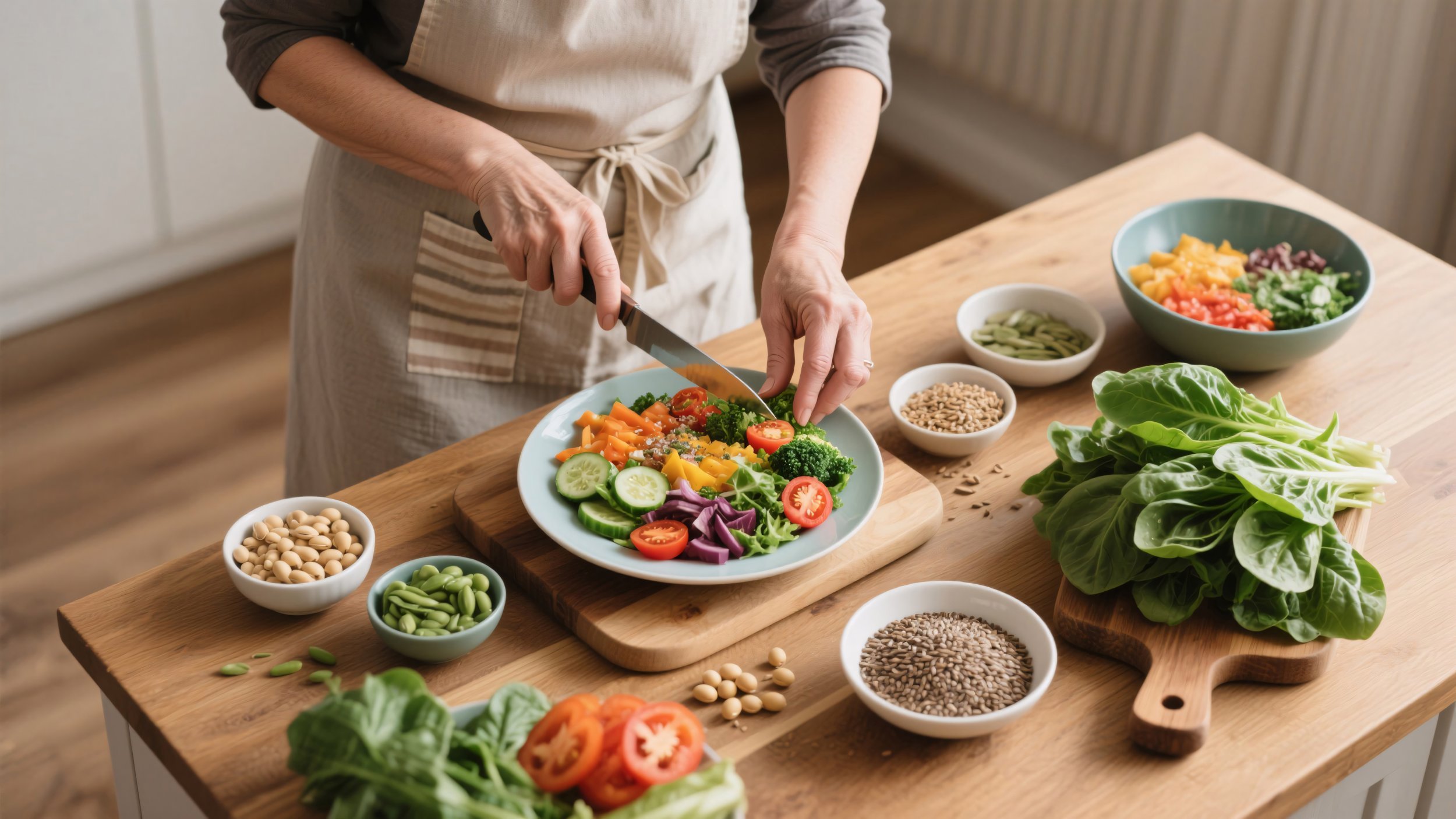
What you eat affects your hunger hormones, blood sugar, inflammation, and gut bacteria every day. Food is one of the most powerful tools we have, and it works best alongside medical care. The goal is not perfection or a strict diet. It’s a sustainable pattern of eating that you enjoy and that fits your culture, budget, and life.
The Mediterranean way of eating
The Mediterranean diet is one of the most studied eating patterns in the world. It’s linked with lower rates of heart disease, stroke, and type 2 diabetes, and it’s flexible enough to fit almost any cuisine. The basics:
Build meals around vegetables, fruit, beans, lentils, whole grains, nuts, and seeds
Use extra-virgin olive oil as your main fat
Eat fish and seafood a few times a week
Include moderate amounts of poultry, eggs, yogurt, and cheese
Keep red and processed meats, sweets, and refined grains for occasional use
Season with herbs, spices, garlic, lemon, and onion
What a day might look like:
Breakfast: Plain Greek yogurt with berries, walnuts, and a sprinkle of ground flaxseed, or veggie-and-egg scramble with whole-grain toast
Lunch: Big salad with chickpeas, cucumber, tomato, olives, feta, and olive oil and lemon dressing, or lentil soup with a side salad
Snack: An apple with a handful of almonds, or hummus with carrots and bell pepper
Dinner: Baked salmon with roasted vegetables and farro or quinoa, or a bean-and-vegetable stew
Easy swaps: White rice to brown rice or farro, chips to roasted chickpeas or nuts, butter to olive oil, soda to sparkling water with citrus
Ultra-processed foods and your appetite
Ultra-processed foods are made mostly from industrial ingredients, often with additives you wouldn’t use in your own kitchen. Think chips, packaged snacks, sugary cereals, many frozen meals, sweetened drinks, and many foods that come in bags or boxes. They tend to be soft, quick to eat, high in calories, and low in fiber and protein.
In a carefully controlled NIH study, adults ate either an ultra-processed or a minimally processed diet for two weeks, with as much food as they wanted. On the ultra-processed diet, people ate about 500 more calories a day and gained about 2 pounds. On the minimally processed diet, they lost weight. Their hunger hormones also shifted in a direction that favored eating less on the minimally processed diet.
Shop mostly for whole and minimally processed foods: produce, beans, whole grains, eggs, fish, plain yogurt, nuts
Read the ingredient list, not just the calories. A shorter list of ingredients you recognize is usually a better choice
Don’t eat straight from the bag. Put a portion in a bowl and put the bag away
Cook simple meals at home when you can. It doesn’t need to be fancy
Your gut microbiome and hormones
Your gut is home to trillions of bacteria, called the microbiome. These microbes do much more than help digestion. They help regulate hunger, blood sugar, inflammation, and hormones.
Fullness signals. When gut bacteria ferment fiber, they make short-chain fatty acids. These help trigger the release of GLP-1 and PYY, the same fullness hormones described above.
Blood sugar and inflammation. A diverse microbiome is linked with better insulin sensitivity and lower inflammation.
Estrogen and other hormones. Some gut bacteria help process and recycle estrogen, which matters for women’s health, especially around menopause.
How to support your microbiome:
Eat a wide variety of plants. A good goal is 30 different plant foods a week, including vegetables, fruit, beans, whole grains, nuts, seeds, herbs, and spices
Aim for 25 to 35 grams of fiber a day, increasing slowly
Include fermented foods like plain yogurt, kefir, sauerkraut, kimchi, and miso. In one study, eating more fermented foods increased microbiome diversity and lowered markers of inflammation
Food additives and flavor enhancers: Research here is still early, but some common additives may affect gut bacteria. In a small controlled feeding study, the emulsifier carboxymethylcellulose (common in ice cream, sauces, and baked goods) changed gut bacteria and reduced beneficial compounds they produce. In another study, the sweeteners sucralose and saccharin changed the microbiome and blood sugar responses in some people. Common flavor enhancers like MSG have not been shown to harm the microbiome in humans. Overall, choosing mostly whole foods naturally limits these additives.
Portions and mindful eating
Use smaller plates and bowls. Food looks like more on a smaller plate. The effect is modest, but it’s easy and free.
Start with protein and vegetables. They help you feel full and steady your blood sugar.
Slow down. Fullness hormones take about 20 minutes to reach your brain. Put your fork down between bites and eat without screens when you can.
Serve from the stove, not the table. Going back for seconds becomes a choice rather than a habit.
Pre-portion snacks instead of eating from the package.
Notice your hunger. Before eating, ask yourself: am I physically hungry, or am I tired, stressed, or bored?
Coping with emotional eating
Almost everyone eats for comfort sometimes. Food is soothing, and stress, sadness, boredom, and exhaustion all make us reach for it. It’s not a character flaw, and it’s something you can work on.
Pause and name it. Try “HALT”: am I Hungry, Angry or anxious, Lonely, or Tired?
Make a short list of other comforts you can turn to, such as a walk, a call to a friend, a shower, music, stretching, or journaling.
Make tempting foods less convenient. Keep them out of sight or out of the house, and keep easy, satisfying options visible.
Don’t skip meals. Getting overly hungry makes emotional eating much harder to manage.
Be kind to yourself. One meal doesn’t undo your progress. Shame tends to make emotional eating worse, not better.
If you often eat large amounts of food while feeling out of control, or feel distressed about eating, please tell us. Binge eating disorder is common and very treatable, and we can connect you with a therapist who specializes in eating concerns.
Physical activity
Strength training at least 2 days a week helps protect muscle, which is especially important while losing weight or taking anti-obesity medications.
Work toward 150 minutes a week of moderate activity, such as brisk walking, cycling, or swimming, as you’re able.
Move throughout the day. Standing, taking the stairs, and short walks after meals add up and help with blood sugar.
Exercise helps most with keeping weight off and with heart health, mood, sleep, and strength, even when the scale doesn’t change much.
Sleep and stress
Short sleep raises ghrelin and lowers leptin, which increases hunger and cravings the next day. Ongoing stress raises cortisol, which can increase appetite and fat storage around the middle. Aim for 7 to 9 hours of sleep, and tell us if you snore, wake up tired, or struggle with sleep. Sleep apnea is common in people with obesity and very treatable.
Medications that can cause weight gain
Some common medications can increase appetite or weight, including some antidepressants, mood stabilizers, antipsychotics, steroids, insulin and some other diabetes medications, some seizure medications, and some blood pressure medications. Please don’t stop any medication on your own. We review everything you take and, when possible, work with your other clinicians on alternatives.
Is genetic testing right for me?
Most obesity comes from many genes working together with our environment. Rarely, a change in a single gene, often in the brain’s MC4R hunger pathway, causes severe obesity. Genetic testing may be appropriate if you have:
Severe obesity that started in early childhood, often before age 5
Intense, constant hunger that is hard to satisfy
A family history of severe, early obesity
For people who meet certain criteria, testing may be available at no cost through a sponsored program. A diagnosis can explain a lifelong struggle and may open the door to targeted treatment. We’ll talk with you about whether testing makes sense.
Helpful apps
Yuka
Food and product scanner
Scan barcodes at the grocery store to see a health rating and flagged additives, and get suggestions for healthier alternatives. Use it as a guide, not a rulebook: its scores are helpful for comparing similar products, but they don’t capture everything about a food.
Cronometer, MyFitnessPal, or Lose It!
Food and macro tracking
Tracking for a few weeks can show you where your protein, fiber, and calories come from. We especially recommend tracking protein and fiber. You don’t need to track forever. It’s a learning tool.
InBody app
Body composition tracking
If you get InBody scans with us, your results sync to the app so you can follow changes in muscle and body fat between visits.
Recipes
Oldways: Mediterranean, Latin American, African heritage, and Asian heritage recipes built on traditional whole-food diets
American Heart Association Recipes: simple, heart-healthy recipes with nutrition information
Ask us for our favorites. We’re happy to share recipes that fit your goals and your kitchen
Recommended reading
The Hungry Brain: Outsmarting the Instincts That Make Us Overeat
by Dr. Stephan Guyenet
A neuroscientist explains how the brain regulates appetite and body weight, and why our modern food environment makes overeating so easy.
Burn: New Research Blows the Lid Off How We Really Burn Calories, Lose Weight, and Stay Healthy
by Dr. Herman Pontzer
An evolutionary anthropologist shares his research on metabolism, including why exercise is essential for health even though it isn’t the main driver of weight loss.
Ultra-Processed People
by Dr. Chris van Tulleken
A physician explores how ultra-processed foods are made and marketed, and how they affect our appetite and health.
Trusted organizations
Obesity Medicine Association: the leading organization for clinicians who treat obesity, with patient education resources
Obesity Action Coalition: a patient-centered nonprofit offering education, support, and advocacy for people living with obesity
A note on weight-loss marketing
Be cautious with products and programs that promise fast results, “detoxes,” metabolism-boosting supplements, or one special food or rule. Obesity is a chronic disease, and effective treatment is personalized, evidence-based, and long term.
Ready to take the next step?
You don’t have to figure this out alone. Let’s build a plan that fits your life.